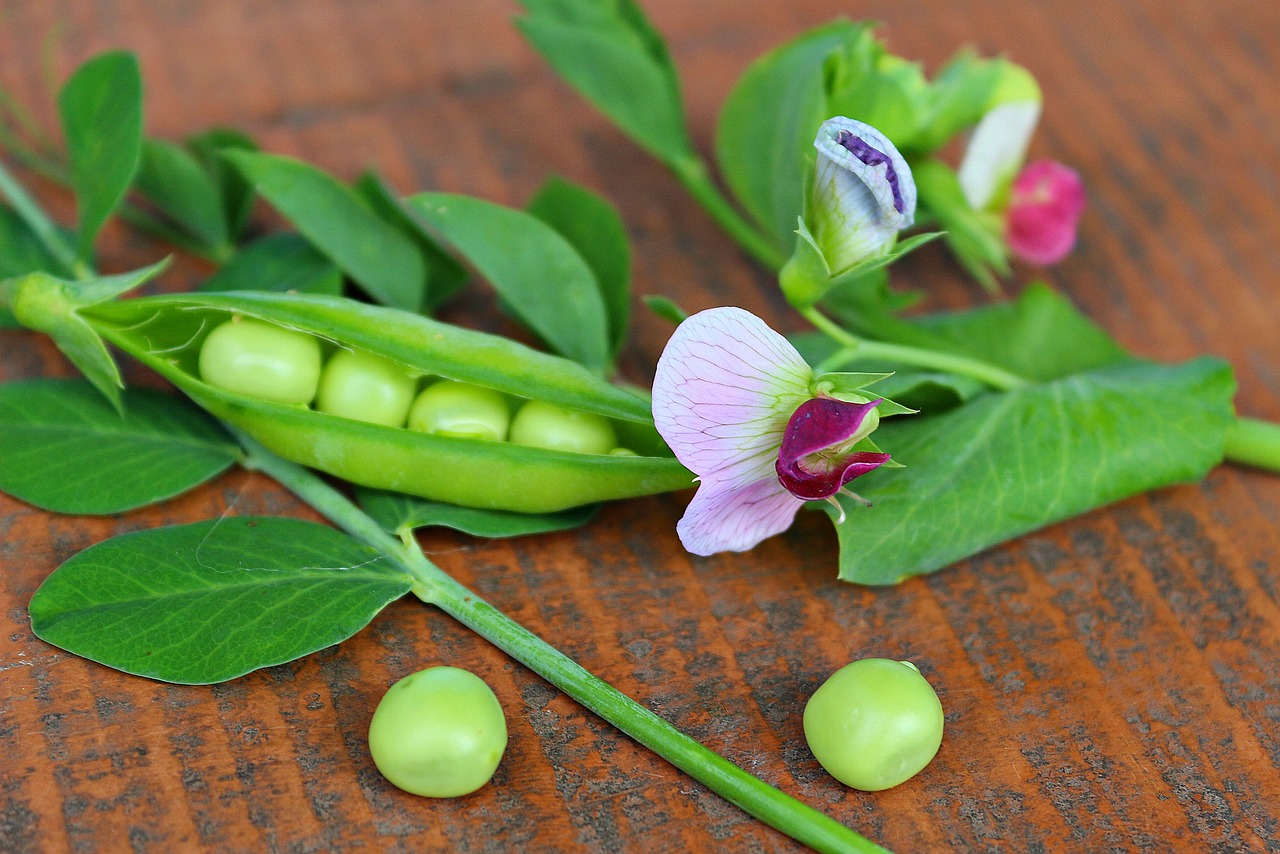
Pea pods that stay flat have usually formed without the seeds filling properly. In a cool or mountain NZ garden, first check that the pods are not simply young or a flat-podded snow pea; then look for dry soil, frost damage at flowering, or a crop trying to fill as the season turns too warm or too cold.
Do not blame a lack of bees first. Pea flowers generally pollinate themselves before opening. A row can therefore produce disappointing pods even when pollinators are scarce, because the more likely failure happened during flowering or seed development.
Rule out a normal flat pod
The right diagnosis depends on what you planted.
- Snow peas should be flat, tender and picked while the seeds are barely visible.
- Shelling peas are not ready until the peas have expanded inside the pod. If the vines look healthy, leave an early flat pod and see whether it thickens.
- Sugar snaps are harvested with a plump edible pod. Thin, tough snaps across the row point to stress rather than a normal harvest stage.
Check the seed packet or label before changing how you water or feed. A healthy snow-pea crop does not need fixing.
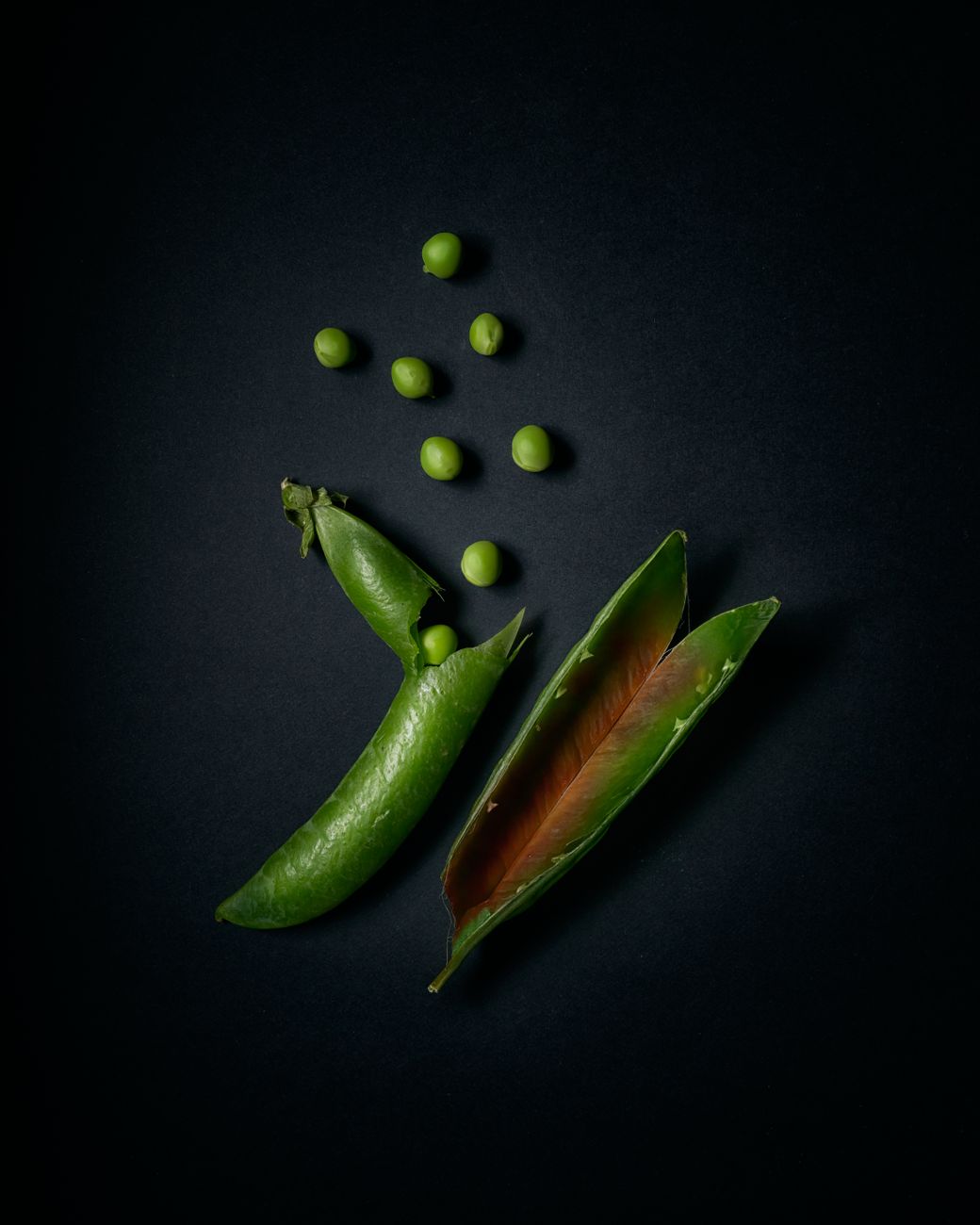
What the cool/mountain season changes
The local calendar has peas direct-sown from September through February and harvested from December through May. There is no transplant window in the planting data.
Those months cover two different risks. Flowers on an early crop can meet a late spring frost or sudden cold snap. A later sowing has less room to recover: it can reach flowering as summer heat builds, or approach pod fill as autumn cold returns.
The zone's frost-risk period extends from March to November. Pea seedlings handle cold better than open flowers, so apparently vigorous vines do not prove that every flowering flush escaped damage. If pods are empty after a frosty night but a later flush fills normally, cold at flowering is a stronger explanation than poor pollination.
This zone emphasis is an inference from pea physiology, the local frost pattern and the Egmont-sourced planting window. Conditions still vary between an exposed mountain garden and a sheltered cool-climate bed.
Other likely causes
Uneven moisture after flowering can leave pods with small seeds or none worth harvesting. Once flowers appear, keep the root zone steadily moist. A bed that alternates between dry soil and a heavy soaking puts pod development under avoidable stress.
Heat during flowering or pod fill can stop flowers and pods, reduce seed size and leave fewer useful pods. This is most relevant when a late crop reaches this stage in hot weather.
Excess nitrogen favours leaves over reproductive growth. If the vines are unusually lush but pod set is weak, stop adding manure or nitrogen-rich leafy feeds.
Shade and poor support weaken the crop as a whole. Tangled vines shade each other, so tie in loose growth or add netting or pea sticks rather than leaving stems on the ground.
What to do with the crop now
- Confirm whether you planted snow, shelling or sugar snap peas.
- Give young shelling and snap pods time to swell while the vines remain healthy.
- Water at the base and mulch established plants to keep moisture more even.
- Stop high-nitrogen feeding on vines that are already leafy.
- Cover flowering plants before a forecast frost, then uncover them after the cold has passed.
- Compare the next flush with the damaged one. Better-filled later pods help identify a short frost or moisture event rather than a problem affecting the whole plant.
If the vines made few flowers in the first place, start with the cool/mountain peas not flowering guide. It covers the earlier stage of the crop, before pod fill becomes the issue.
Plan the next sowing around pod fill
Stay within the September-to-February sowing window, but choose a date that gives the crop a reasonable stretch of cool growth. In exposed gardens, have frost cover ready when the first flowers open. For later sowings, watch moisture closely and avoid relying on a crop that must fill all its pods at the seasonal edge.
Variety labels are useful here because they tell you what a finished pod should look like. The existing NZ peas variety guide explains shelling, snow and sugar snap types. It was written for the temperate zone, so use its variety information while keeping your colder frost pattern and shorter season in view.
The practical fix is usually to judge the pod type correctly, protect flowers from sharp cold, and keep soil moisture stable until the peas have filled.
Know your zone? See the full NZ Cool/Mountain Planting Calendar →.