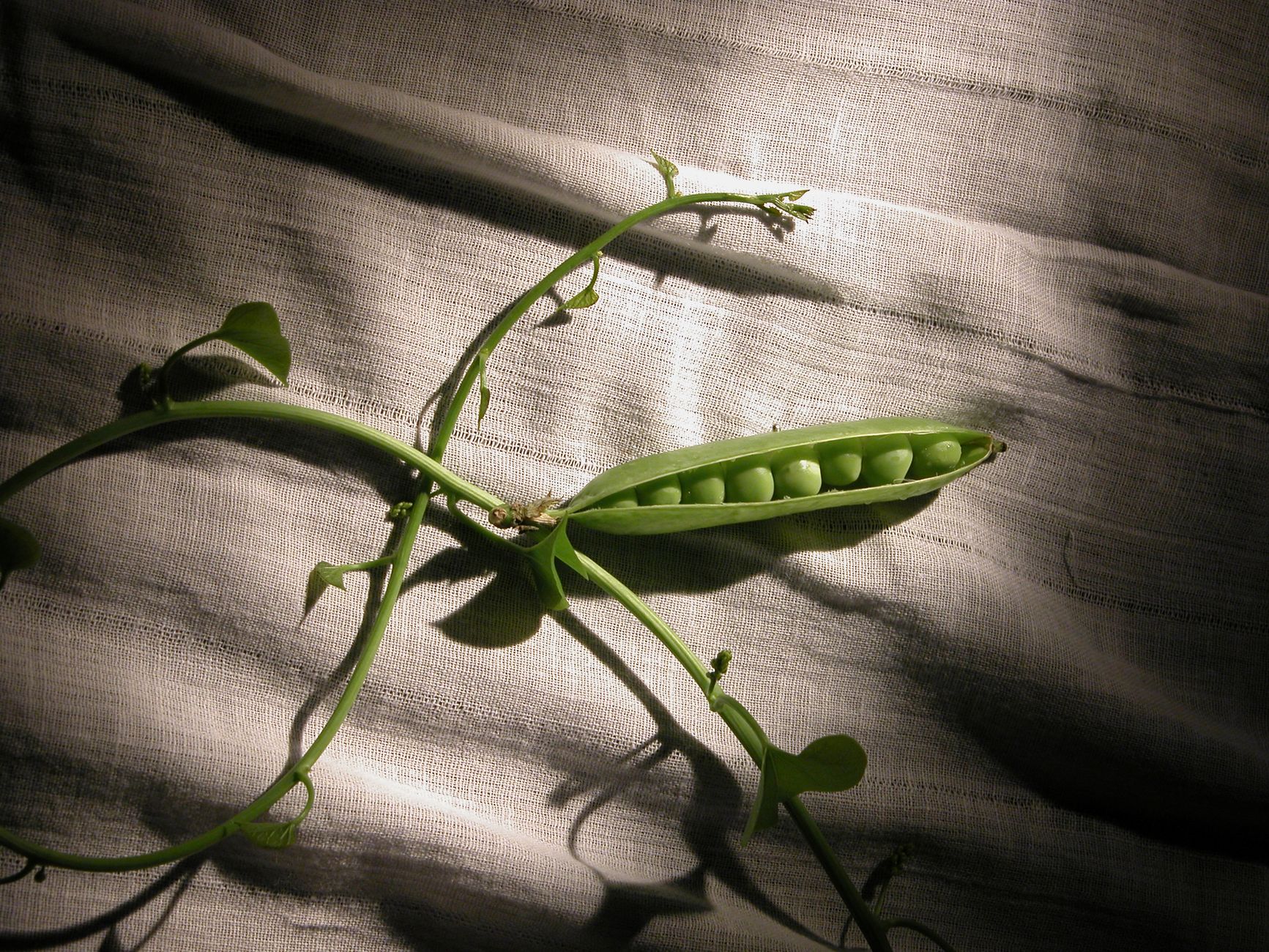
Pea pods that stay flat usually mean the plant flowered and formed pods, but the seed inside did not fill properly. In a temperate NZ garden, check the simple things first: whether you are growing snow peas, whether shelling or snap peas have had enough time to plump up, and whether the plants went dry or hit warm weather after flowering.
Missing bees are rarely the first explanation. Pea flowers usually self-pollinate before they open, so empty pods are more often about harvest stage, moisture, heat, nitrogen, or occasional cold damage to flowers.
First, check what kind of pea it is
Not every flat pea pod is a failed crop.
Snow peas are meant to be picked while the pod is flat and the peas inside are only tiny traces. If the pod is tender and you are growing a snow pea, that is normal.
Shelling peas need to fill before picking. A flat shelling-pea pod is either immature or stressed. Leave healthy vines a little longer and check whether later pods begin to swell.
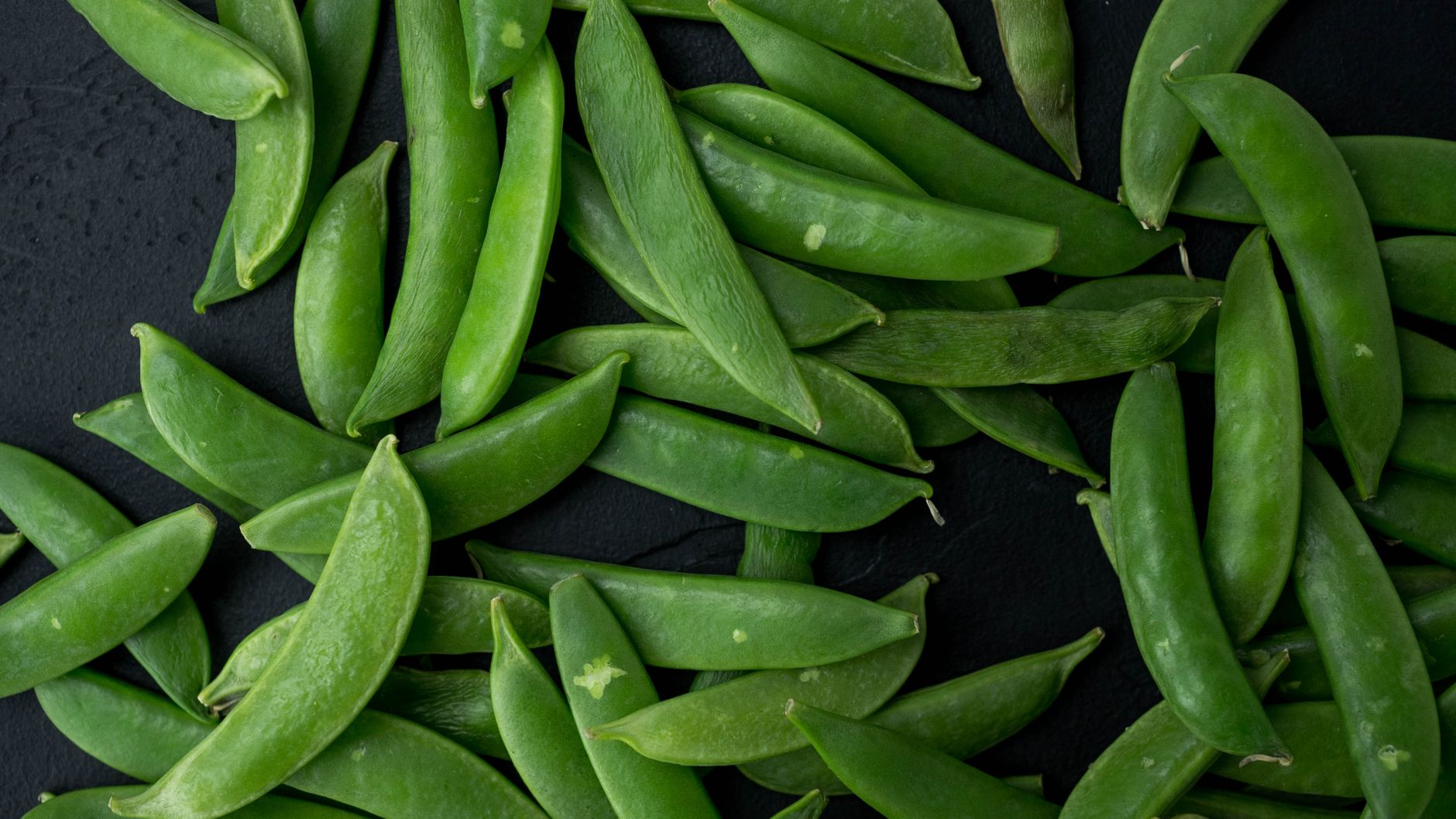
Sugar snaps sit between the two: the pod should become plump, but it is harvested while still tender and juicy. If snap pods stay thin and tough, look at moisture and heat rather than pollination first.
The main reasons pods fail to fill
Dry soil after flowering is the strongest practical suspect. Peas need steady moisture through flowering and pod fill. If the bed dries out after flowers open, pods may form but the peas inside stay small, the pods become stringier, or some pods abort.
Warm weather during pod fill can also flatten the crop. Peas are a cool-season vegetable; heat can stop flowers and pods, cause flower abortion, and leave fewer pods with smaller peas. This is common when a late sowing reaches pod fill as the weather warms.
Too much nitrogen usually shows as lush vines first. Extra nitrogen can delay flowering and reduce pod set. If the plant is all leaf and only a few poor pods, stop feeding it like a leafy crop.
Frost or a sharp cold snap can matter around flowering. Temperate NZ's frost-risk period runs April to November. Frost is less often the main explanation here than in cool or mountain gardens, but open flowers are more vulnerable than young seedlings.
Shade, weak support, or tangled vines can reduce the whole crop. Peas need full sun and something to climb. Once vines sprawl and shade themselves, pod fill becomes less reliable.
Check the timing against the local window
For NZ temperate gardens, peas are direct-sown from September to February, with harvest from December to May.
That wide window still needs a cool run into flowering and pod fill. A sowing that grows well but reaches pod fill in warm, dry weather can give you the frustrating version of success: flowers, pods, and then very little inside them.
If your sowing was inside the window and the vines are still healthy, give shelling peas or sugar snaps more time before judging the crop. If pods stay flat across several flushes, treat water, heat, and feeding as the diagnosis.
What to do now
- Wait if the pods are simply young. Shelling peas need time to fill, and sugar snaps should be plump before picking.
- Harvest snow peas differently. Flat pods with only tiny peas inside are normal for snow peas; pick them while they are tender.
- Water steadily through pod fill. Keep the root zone evenly moist after flowering. Water at the base and mulch established plants so the bed does not swing from dry to soaked.
- Stop high-nitrogen feeding. Do not add manure or leafy fertiliser to lush vines. If a feed is needed, use a flower-and-fruit style feed.
- Protect flowering vines in cold snaps. If frost is forecast while plants are flowering, cover them overnight and uncover once the cold has passed.
- Get the vines upright. Add pea sticks, netting, or a trellis so the next flush has better light and airflow.
If the same plants also produced very few flowers, the problem started one step earlier. Use the peas not flowering guide for NZ temperate gardens to sort nitrogen, heat, dry soil, and frost before pod fill even begins.
What to change next season
Aim for pod fill in cool, steady conditions. Sow within the September to February window, but avoid pushing the crop so late that it must fill pods in the warmest, driest part of the season. Keep water consistent once the first flowers open, and do not overload the bed with rich nitrogen feed before sowing.
Variety choice matters mostly because you need to know what kind of pod you are judging. The temperate peas guide covers shelling, snow, and sugar snap options, including Alderman Tall Climbing from Kings Seeds NZ and Koanga Institute peas such as Amish Snap, Bohemian Sugar, Capucijner (AKA Marrow Fat), and Dalmatian (AKA Marrow Fat): Best Peas to Grow in NZ Temperate Spring.
For most temperate gardens, the fix is not hand-pollination. It is choosing the right harvest stage, keeping moisture steady after flowering, and getting the crop through pod fill before heat becomes the main stress.
More on this zone: see the full NZ Temperate Planting Calendar →.