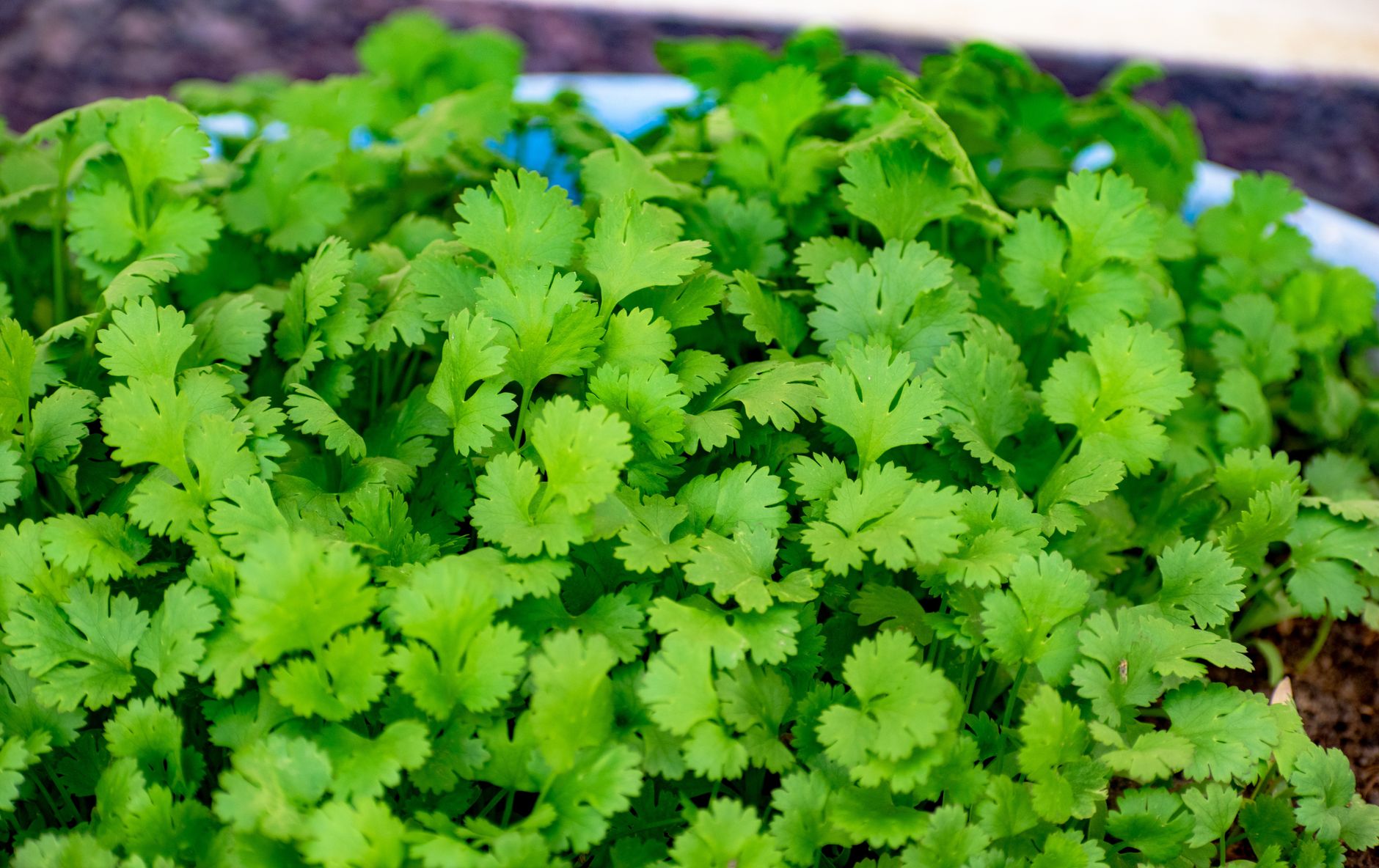
In an NZ temperate garden, coriander that runs to seed almost as soon as it's up is usually telling you one thing: it met summer before it had time to make leaf. Coriander is a short-lived, cool-season, long-day annual — both heat and lengthening daylight push it out of leaf and into flower, and in temperate regions those two arrive together and hard through December and January. Once the flower stalk is up you can't talk it back down, so the fix is entirely about variety, timing and steady moisture: getting the plant to bulk up before the season turns against it.
Heat and long days do most of the damage here
Two triggers explain most temperate bolting, and they reinforce each other.
Heat is the blunt one. Coriander switches from leaf to flower above roughly 24–27°C, and a plant sown into midsummer warmth can set seed inside four to six weeks — often before you've cut anything worth eating. NZ temperate summers sit squarely in that range for weeks at a time.
Daylength is the quieter one. Coriander is a long-day plant, so as daylight stretches out through late spring and early summer it's nudged toward flowering even when the temperature is still mild. That's why a spring sowing left a few weeks too long bolts anyway, and why even a slow-bolt strain stops holding once the days are long. In temperate gardens the heat and the long days land almost together, which is what makes a midsummer leaf crop so hard to keep.
The stresses that tip a plant over the edge
On their own, a few more things bring bolting forward, and in a warm summer they stack on top of the heat:
- Dry soil. Letting coriander dry out makes it bolt fast, and the leaf that's left turns tough and almost flavourless. Any check to steady growth reads to the plant as a signal to seed.
- A disturbed taproot. Coriander grows a long taproot and resents being moved; transplanting it, or letting the root bottom out in a small cell, brings flowering on sooner. This is why it's normally direct-sown.
- Swings and strain. Abrupt temperature changes unsettle it, and a standard variety under stress runs to seed sooner than a slow-bolt one in the same bed.
Get the sowing window right
The local calendar sows coriander July to November, with leaf harvest running September to January, direct into the ground rather than raised as seedlings (the supplier guide also lists a smaller autumn sowing). Read that window as a warning about its far end. A sowing pushed late into spring runs headlong into December's heat and long days before the plant has bulked up — the classic "bolted before I got a feed off it."
The reliable move here is succession: a short row every two to three weeks rather than one big patch, so a younger batch is always coming on behind the one about to flower.
What temperate frost dates change
The temperate frost-risk period runs April to November, leaving a genuinely warm December-to-March stretch — a longer, hotter summer than the cool and mountain zones get. For most crops that's an advantage; for coriander it's the problem. The months that let tomatoes ripen are exactly the months coriander won't hold leaf.
So the practical read is the mirror image of the cooler zones, where the main enemy is cold snaps rather than heat (see Why Is My Coriander Bolting Immediately in NZ Cool/Mountain?). Here, aim your leaf crops at the spring and autumn shoulders, use the warm core of summer for seed instead of leaf, and give any summer sowing part shade to take the edge off. This is inference from coriander's physiology plus the local window and frost pattern, not a separate regional trial — but the direction is sound.
Choosing coriander and sowing it right
Start with a slow-bolt strain. These hold in leaf noticeably longer than standard coriander, and Yates sells one bred for the purpose. None are bolt-proof once real heat and long days arrive, but in a temperate summer the extra couple of weeks is exactly the margin you're short of.
For NZ-available seed, Kings Seeds NZ lists Picante, a direct-sown coriander that fits the don't-disturb-the-taproot rule. Koanga's heritage NZH is raised in trays and pricked out young instead; if you go that way, move the seedlings while small so the taproot isn't checked. Whichever you sow, keep the soil evenly moist and don't let it swing from dry to soaked.
What to do this week
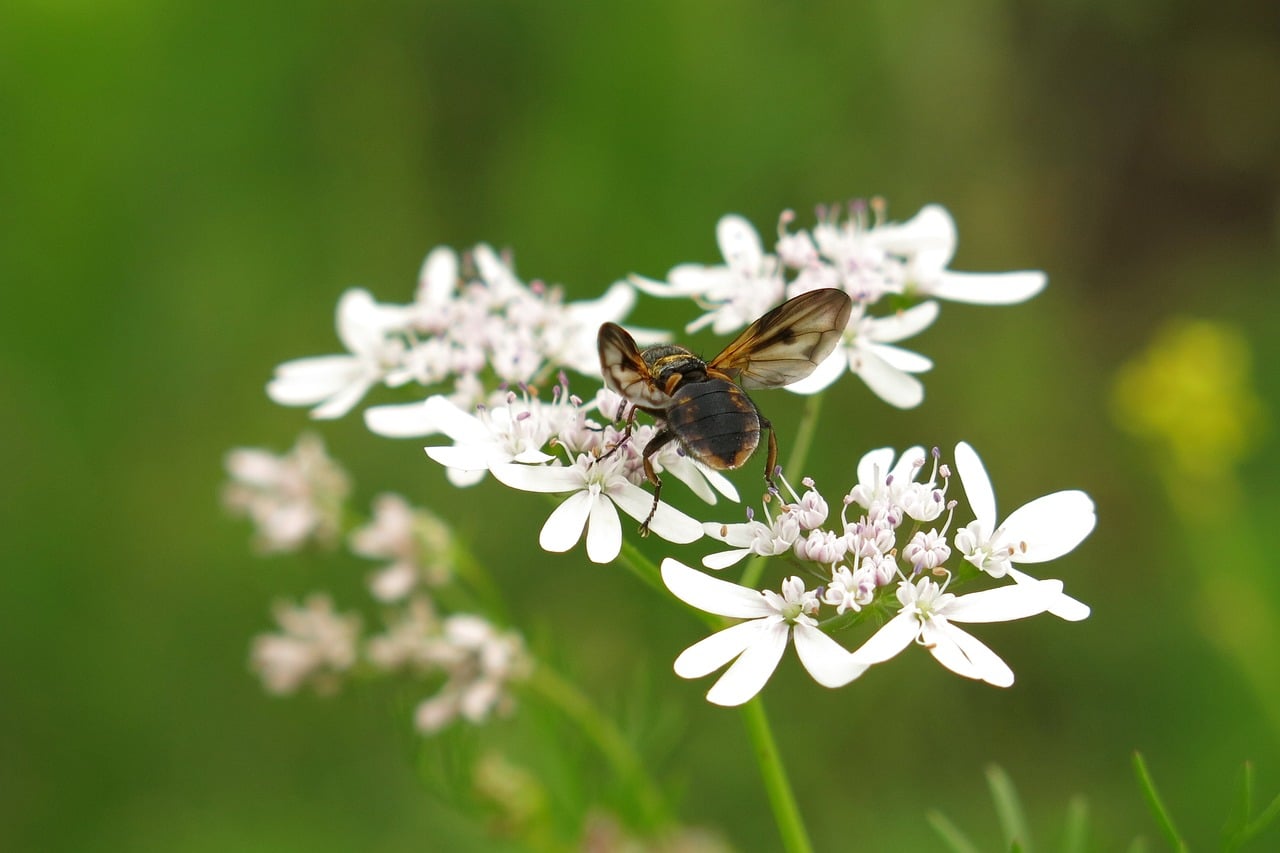
If a batch has just bolted, get the next short row in now so leaf keeps coming, and let the bolted plants finish rather than pulling them — the flowers feed bees, and the browning seed heads give you coriander seed for the kitchen. For anything still in leaf, the two levers are moisture and shade: water at the base and mulch so the root zone stays even, and throw some light shade over the bed now that summer's up. Full sun suits coriander while it's cold, but once the heat's on, shade slows the switch to flower.
Next season
Sow slow-bolt seed direct, in small succession batches from spring and again from late summer into autumn, easing off through the hottest weeks when nothing holds anyway. Keep the moisture steady and add part shade as the days lengthen. In a temperate summer, a rolling crop of young plants always beats fighting an established plant's push to seed.
More on this zone: see the full NZ Temperate Planting Calendar →.